
Latest Products



Contact Us
- Gujiabu, Hujie Village, Zhangting Town, Yuyao City
- kiccy@yytonghui.com
- +8615267877473
The factory was established in 1989, and started to do export trade in 2010, mainly in Europe and the United States market.
The factory can design products and process them according to customers, our advantage is that we can do customized products according to customers' drawings and provide free samples. High quality products, no burrs, smooth surface, galvanized products all pass salt spray test.
Why Choose Us?
High quality: We take pride in the craftsmanship of our products and ensure that each one meets our strict standards for quality. High quality products, no burrs, smooth surface, galvanized products all pass salt spray test.
Professional Team: The factory was established in 1989, and started to do export trade in 2010. Dedicated to strict quality control and attentive customer service, our experienced staff is always available to discuss your requirements and ensure complete customer satisfaction.
High quality service: Professional and thoughtful after -sales team, let you worry about us after -sales Intimate service, strong after -sales team support.
Custom service: We can do customized products according to customers' drawings and provide free samples.
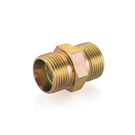
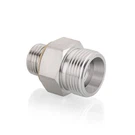
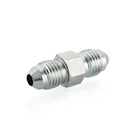
 Male Metric Hydraulic Adapter
Size:M12X1.5—M52X2. Threaded size can be customized. Material:carbon steel. Material can be stainless steel304,316,316L. Surface treatment: Eco-friendly galvanized
Add to Inquiry Male NPT Hydraulic Adapter
Size: NPT1/8”X27—NPT2”X11.5. Threaded size can be customized. Material: carbon steel. Material can be stainless steel304,316,316L. Surface treatment: Eco-friendly galvanized
Add to Inquiry 1 /2 Male Npt Hydraulic Adapter
Size: NPT1/2X27. Threaded size can be customized. Material: carbon steel. Material can be stainless steel304,316,316L. Surface treatment: Eco-friendly galvanized
Add to Inquiry Male BSP Hydraulic Adapter
Size: BSP 1/8”X28-3”X11. Threaded size can be customized. Material: carbon steel. Material can be stainless steel304,316,316L. Surface treatment: Eco-friendly galvanized
Add to Inquiry Male Thread Hydraulic Adapter
Size: metric, NPT,UNF,BSP. Threaded size can be customized. Material: carbon steel. Material can be stainless steel304,316,316L. Surface treatment: Eco-friendly galvanized
Add to Inquiry Male JIC Hydraulic Adapter
Size: UNF5/16”X24-2-1/2”X12. Threaded size can be customized. Material: carbon steel. Material can be stainless steel304,316,316L. Surface treatment: Eco-friendly galvanized
Add to Inquiry Male To Female NPT Hydraulic Adapter
Size: NPT1/8”X27-2”X11.5. Threaded size can be customized. Material: carbon steel. Material can be stainless steel304,316,316L. Surface treatment: Eco-friendly galvanized
Add to Inquiry Male To Female BSP Hydraulic Adapter
Size: BSP1/8”X28—BSP2”X11. Threaded size can be customized. Material: carbon steel. Material can be stainless steel304,316,316L. Surface treatment: Eco-friendly galvanized
Add to Inquiry Male To Female JIC Hydraulic Adapter
Size: 7/16”X20—2-1/2”X12. Threaded size can be customized. Material: carbon steel. Material can be stainless steel304,316,316L. Surface treatment: Eco-friendly galvanized
Add to Inquiry 1/ 2 Male To 1/ 2 Female Hydraulic Adapter
Size: NPT1/2”X14—BSP1/2”X14. Threaded size can be customized. Material: carbon steel. Material can be stainless steel304,316,316L. Surface treatment: Eco-friendly galvanized
Add to Inquiry 1/2 Male To 3/8 Female Hydraulic Adapter
Size: NPT1/2”X14—NPT3/8”X18. Threaded size can be customized. Material: carbon steel. Material can be stainless steel304,316,316L. Surface treatment: Eco-friendly galvanized
Add to Inquiry 3 /8 F To 1 /4 m Hydraulic Adapter
Size: NPT3/8”X18—NPT1/4”X18. Threaded size can be customized. Material: carbon steel. Material can be stainless steel304,316,316L. Surface treatment: Eco-friendly galvanized
Add to Inquiry

In a hydraulic system, adapters are important components that connect the various hoses, tubes and pipes in the hydraulic system. They are critical to the smooth, efficient flow of hydraulic fluid and the overall performance of the system.
What Are Hydraulic Adapters Used For
Because hydraulic adapters serve a number of purposes, they can be used for applications in a variety of industries. Some of these industries include:
Construction and heavy machinery: Hydraulic adapters ensure reliable fluid transfer and power transmission in hydraulic systems for excavators, loaders, and cranes, enabling precise control and efficient operation.
Manufacturing and industrial equipment: Machine tools, presses, and material handling equipment all need hydraulic adapters to ensure smooth operation and minimize downtime.
Agriculture: Hydraulic adapters enable the efficient transfer of power and fluid in tractors, harvesters, and irrigation systems, thereby facilitating lifting, steering, and controlling attachments.
Transportation and automotive: From cars to heavy-duty trucks, hydraulic adapters are used in applications such as braking systems, power steering, suspension systems, and hydraulic lifts.
Oil and gas: This industry relies on hydraulic adapters for drilling, extraction, and transportation, providing fluid transfer and control in demanding environments.
Common Materials Used in Hydraulic Adapters
Hydraulic adapters can be made from many materials, the most common ones being plastic, stainless steel, or brass. The type of assembly or industry application usually determines what material is suitable.
Let's take a closer look at the most common materials used in hydraulic adapters:
These types are much more resistant to corrosion compared to their metal counterparts. However, they are physically weaker and less durable. This is why they are not preferred for hydraulic applications despite the low cost. Metal fittings are better suited for high-pressure ratings found in industrial applications.
These types of fittings are made of steel alloys which means they are far more durable than their plastic counterparts. For instance, carbon steel fittings can withstand temperatures from -53°C up to 260°C.
These are the stainless steel variant of steel hydraulic adapters. Stainless steel fittings are utilised in situations where they would need to withstand temperatures ranging from -253°C up to 648°C. Their tough nature makes them the choice of fitting for highly corrosive environments. Fittings made from this material are generally rated up to 10,000 psi, with some special designs capable of withstanding up to 20,000 psi.
These are not as strong or durable as their stainless steel counterparts. However, they can provide a tight seal that prevents leaks and meet SEA (society of automotive engineers), ISO (international organization for standardization), DIN (deutsches institute fur normung), and JIS (japanese industrial standards) standards, among others. Brass fittings are rated for temperatures from -53°C up to 204°C, and pressures up to 3,000 psi.
Hydraulic adapters made from aluminium are less common, but do exist and are used in certain applications. They are lighter than steel but are resistant to corrosion. These qualities make them preferable in transportation hydraulics such as the automotive industry.
Five Basics of Measuring a Hydraulic Adapter
Before you select a hydraulic adapter, you must first determine if its threads will match the hose you have selected. Measuring and identifying the fittings is easily done but you must have the correct tools. These tools include id/od calipers and thread pitch gauges.
A diligent approach to measuring a hydraulic adapter can help you avoid leaks and downtime. Even to a professional, two hydraulic adapters can look identical while being completely different. An incorrectly sized fitting may seem to fit at first, but with time it can cause problems throughout your system.
Mismatched fittings are one of the most common problems with hydraulic systems, but are also the easiest to avoid.


Measure the length
Using the thread pitch gauge, simply place the gauge teeth on the threads until a tight fit is found. Ensure that there is no gap between the teeth of the gauge and the fitting. If the fitting is not new or worn, you may have difficulty finding a match so it's best to always use new fittings. Fitting manufacturers provide thread identification guides either in brochures or on their websites, so you simply need to match the thread measurement to the relevant charts.
Determine the outside diameter
The outside diameter (or male thread) of a fitting is determined with the assistance of callipers. Zero out the callipers, put the fitting between the jaws and close them to hold the fitting tight.
A vernier calliper provides highly correct readings. You may want to measure the diameter several times to make sure you are getting the right results.
Calculate the inside diameter
The inner diameter (or female thread) is also measured with callipers. The process is similar. However, this time, you have to place the calliper jaws inside the fitting in order to get the precise readings.
Evaluate the thread gauge
The thread pitch gauge determines the distance between threads. Put the gauge on the threads to get a snug fit. You can then match the measurements to a size chart. In case you don't have a thread pitch gauge, you can roughly determine the thread gauge using vernier callipers. Count the number of threads within a one-inch distance.
For british and european threads, the thread gauge is measured in threads per inch. Metric threads of a gauge determine the distance between the threads.
Estimate the angle
Use a protractor to determine the angle of the fitting. The angle is one of the most important factors when choosing the right new fitting for your hydraulic system. The most common angles are 45° and 90°. However, you can occasionally face 22.5° angles on elbow fittings.
Pressure
Check the maximum rated pressure needed. Components used with hydraulic tools are classified as high-pressure and typically rated for either 5000 or 10000 psi (350 or 700 bar). The fittings supplier should make this clear in their catalogs or on their website.
Flow rate
The type and size of the tool will determine the flow needed. If you need a high-flow coupler, consider the C (cone) type or F (flat face) type. These allow for up to 4 times more flow than many standard couplers.
Thread type
These vary by region throughout the world, so make sure your fittings, tools, and hoses are compatible. If they're not, an adapter or reducer may be available to solve the issue. Buying your hydraulic tools and hose connectors from a single manufacturer will help to avoid incompatibility issues.
Coupler connection type
Choose between the common type with a threaded sleeve to hand tighten, and "push to fit" flat face types that save time and minimize oil loss and spillage.
Material
The material of the fitting can influence its pressure rating and ability to withstand harsh and corrosive working environments.
The Benefits of Hydraulic Adapters
Hydraulic adapters are a fundamental component of every hydraulic system, connecting tubes, pipes, and hoses to pumps, valves, actuators, and other features.
Hydraulic adapters come in many different styles, orientations, and attachment methods. Knowing the differences between connector types can help you select the best for your needs and applications.
The most common and popular connectors are o-ring, mated angle, and threaded. Other types include flare, adapter, and swivel.
Better fit
When using hydraulic hoses, it's vital to use fittings that are compatible with the hose. If you don't, it can lead to leaks and other issues that could be hazardous to people or property.
Fittings are vital to any hydraulic system and come in various styles, materials, and performance levels. Before choosing one, it's critical to comprehend the many sorts and how they operate.
Choosing the wrong fitting can mean poor seal quality, hose pressure, and a greater risk of torquing. Selecting the correct fitting can save you time and money in the long run.
Hydraulic adapters can be made from different types of metal, including plastic, brass, and stainless steel. Each class has unique qualities and traits that make it appropriate for particular uses.
Reliability
Hydraulic systems require solid and reliable hydraulic adapters to connect hoses, tubes, and pipes. These components must handle high pressures, withstand corrosive fluid and resist damage from outside elements such as dirt, rain, and snow.
Material selection is essential for all hydraulic adapters because different materials have varying properties and performance capabilities. Metals such as aluminum, cast iron, and stainless steel are common due to their strength and corrosion resistance.
Similarly, based on design and construction, hydraulic adapters are commonly specified to specific pressure and temperature ratings. It allows engineers to choose fittings that operate safely and effectively in their applications.
Lower cost
Whether you want to upgrade an existing hydraulic system or set up a new one, the lower cost of using hydraulic adapters makes them a great choice. Hydraulic adapters can be found in various styles, sizes, and materials to meet the specific needs of your application.
The material used for a fitting is essential to the overall function of a hydraulic hose and its ability to transport fluid safely and reliably. Metals like steel and cast iron are good choices because they offer high strength, durability, and corrosion resistance.
The material of a hydraulic adapter should also be compatible with the operating environment. It includes temperature, pressure, and the type of fluid flowing through the hose.
Versatility
Hydraulic systems require a variety of fittings to connect tubes, pipes, and hoses to pumps, valves, and other components. These fittings come in all shapes and sizes, using various sealing methods and thread forms.
All-metal hydraulic adapters use metal-to-metal contact to form a seal against pressurized fluid, while compressed-seal o-ring fittings seal through an o-ring that is compressed between the mating halves of the fitting.
In addition to basic hydraulic hose connection options, several additional features can be integrated into the design of a hydraulic adapter for specific applications. These include expansion joints and couplings that allow pipe segments to move in response to service load, shock, or heat cycles; flexible connections that do not damage the hose during movement; and connect-under-pressure fittings designed for installation or connection while the system is under pressure.
All of these features make hydraulic adapters a versatile component for many types of industrial applications. In addition, they can be made in a wide variety of materials to meet the needs of different applications.
Maintaining Your Hydraulic Adapters
Maintaining your hydraulic system is important to keeping it running properly. Here are five tips on how to properly maintain your hydraulic adapters:
Inspect your hydraulic adapters regularly for signs of wear and tear
It's important to inspect your hydraulic adapters regularly for signs of wear and tear. Look for cracks, leaks, or any other damage. If you notice any damage, replace the component immediately.
Replace hydraulic fluid on a regular basis
Hydraulic fluid can deteriorate seals and gaskets over time, so it's important to replace the fluid regularly. Depending on the type of equipment you're using, you might need to replace the fluid more or less often. Consult your owner's manual for specific recommendations.
Keep your hydraulic system clean
If your hydraulic system is dirty, it can lead to poor performance and increased wear and tear. To keep your system clean, use a hydraulic filter and change it regularly. You should also flush the system with clean hydraulic fluid regularly.
Store hydraulic adapters properly
If you're not using your hydraulic adapters for an extended time, it's important to store them properly. Store them in a cool, dry place out of direct sunlight. This will help prevent deterioration and damage.
Use the proper tools and techniques when working with hydraulic adapters
When you're working with hydraulic adapters, it's important to use the proper tools and techniques. This will help prevent damage and ensure a long lifespan for your components. Make sure you know how to properly connect and disconnect fittings, and use the appropriate tools for the job.
FAQ
Q: What is hydraulic adapter?
Q: What is the purpose of a hydraulic adapter?
Q: How to understand hydraulic adapters?
The simple 5-step procedure to identify hydraulic adapters:
Step 1: Define the fitting type.
Step 2: Match port connections.
Step 3: Identify the sealing type.
Step 4: Detect the fitting design with the help of visual analysis.
Step 5: Identify the tread size.
Q: What is the difference between a hose fitting and an adapter?
Q: What is the difference between a coupling and hydraulic adapter?
While hydraulic adapter comes in different size and connection. It can be customized according to system size and connection required. Standard hex bush fitting threaded end connection male size bigger than female size. Adapter can have female which is internal thread bigger than male external thread or equal size for both male and female thread.
Q: How do you make hydraulic adapter fitting?
Q: What are the three types of hydraulic adapters?
Q: How to choose hydraulic adapters?
Q: How tight should a hydraulic adapter be?
Q: What hydraulic adapter do I need?
Q: Can you over tighten hydraulic adapters?
Q: How do you tell hydraulic adapters apart?
Q: What is the important knowledge of knowing the hydraulic adapters?
Q: Why do hydraulic adapters leak?
Q: Can you mix and match hydraulic adapters?
Q: What are hydraulic adapters called?
Q: Do you use teflon tape on hydraulic adapters?
Q: How to install hydraulic adapters?
Q: How to seal hydraulic adapters?
Q: How do you keep hydraulic adapters from rusting?
As one of the leading hydraulic adapter manufacturers and suppliers in China, we warmly welcome you to buy hydraulic adapter in stock here from our factory. All customized products are with high quality and competitive price. Contact us for free sample.
