
Latest Products



Contact Us
- Gujiabu, Hujie Village, Zhangting Town, Yuyao City
- kiccy@yytonghui.com
- +8615267877473
The factory was established in 1989, and started to do export trade in 2010, mainly in Europe and the United States market.
The factory can design products and process them according to customers, our advantage is that we can do customized products according to customers' drawings and provide free samples. High quality products, no burrs, smooth surface, galvanized products all pass salt spray test.
Why Choose Us?
High quality: We take pride in the craftsmanship of our products and ensure that each one meets our strict standards for quality. High quality products, no burrs, smooth surface, galvanized products all pass salt spray test.
Professional Team: The factory was established in 1989, and started to do export trade in 2010. Dedicated to strict quality control and attentive customer service, our experienced staff is always available to discuss your requirements and ensure complete customer satisfaction.
High quality service: Professional and thoughtful after -sales team, let you worry about us after -sales Intimate service, strong after -sales team support.
Custom service: We can do customized products according to customers' drawings and provide free samples.
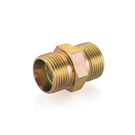
 Male Metric Hydraulic Adapter
Size:M12X1.5—M52X2. Threaded size can be customized. Material:carbon steel. Material can be stainless steel304,316,316L. Surface treatment: Eco-friendly galvanized
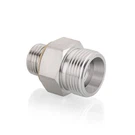
Add to Inquiry Male NPT Hydraulic Adapter
Size: NPT1/8”X27—NPT2”X11.5. Threaded size can be customized. Material: carbon steel. Material can be stainless steel304,316,316L. Surface treatment: Eco-friendly galvanized
Add to Inquiry 1 /2 Male Npt Hydraulic Adapter
Size: NPT1/2X27. Threaded size can be customized. Material: carbon steel. Material can be stainless steel304,316,316L. Surface treatment: Eco-friendly galvanized
Add to Inquiry Male BSP Hydraulic Adapter
Size: BSP 1/8”X28-3”X11. Threaded size can be customized. Material: carbon steel. Material can be stainless steel304,316,316L. Surface treatment: Eco-friendly galvanized
Add to Inquiry Male Thread Hydraulic Adapter
Size: metric, NPT,UNF,BSP. Threaded size can be customized. Material: carbon steel. Material can be stainless steel304,316,316L. Surface treatment: Eco-friendly galvanized
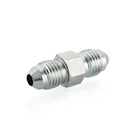
Add to Inquiry Male JIC Hydraulic Adapter
Size: UNF5/16”X24-2-1/2”X12. Threaded size can be customized. Material: carbon steel. Material can be stainless steel304,316,316L. Surface treatment: Eco-friendly galvanized
Add to Inquiry

Male hydraulic adapters connect hoses to pumps, valves, cylinders and other components used in the entire hydraulic system. These strong connections help to contain and direct hydraulic fluid to where it is needed, while preventing leakage and maintaining pressure safely.
Male hydraulic adapters offer many benefits, including:
● It can help increase the efficiency of hydraulic systems by reducing friction and allowing for smoother operation.
● Reduces the need for maintenance by providing a tight seal that prevents leaks.
● Male hydraulic adapters can enhance safety by preventing hydraulic fluid from escaping in the event of a leak.
● It improves the durability of hydraulic hoses and tubes by providing a secure connection that resists vibration and wears.

Materials Used to Male Hydraulic Adapters
The materials used to manufacture a male hydraulic adapter is vital for a hydraulic hose to properly and safely move the hydraulic fluid. It is the high-pressure ratings in hydraulic systems that generally require metal male hydraulic adapters over plastic ones.
The corrosive or rusting effect a hydraulic fluid has towards a metal is an important reaction to consider when selecting a hydraulic male hydraulic adapter. Hydraulic hoses and male hydraulic adapters should be accurately matched to work with an application's hydraulic fluid.
Carbon steel male hydraulic adapters are durable, strong, and has a high resistance to heat, with a temperature range of –65° to 500°F (–54° to 260°C). Carbon steel is combined with other metals to achieve higher levels of strength. Male hydraulic adapters made from a carbon steel combination are normally coated with transitional metals to fortify against environmental, corrosive surroundings. Industrial, construction, and agricultural equipment have the most applications that require carbon steel male hydraulic adapters to withstand high pressure, deliver high strength, and offer low cost.
Stainless steel male hydraulic adapters are strong and have excellent chemical and corrosion resistance with a temperature range of –425° to 1200°F (–254° to 649°C). These male hydraulic adapters work well with corrosive hydraulic fluids and resist environmental corrosion. Stainless steel male hydraulic adapters are the preferred choice over carbon steel male hydraulic adapters at low temperature. Even though the stainless steel male hydraulic adapters are higher priced, the corrosion resistance is imperative to a multitude of applications: oil, gas, and offshore equipment, chemical processing, food manufacturing, medical and instrumentation, agricultural fertilizer, and marine applications.
Brass male hydraulic adapters have moderate strength and toughness, and good corrosion resistance with good ductility at high temperatures with a temperature range of –325° to 400°F (–198° to 204° C)." brass is a softer metal, and it easy to alter. Because of the lower strength against high temperatures of this metal, applications rated for lower pressures can use brass male hydraulic adapters.
Aluminum male hydraulic adapters offer lightweight and corrosion benefits while withstanding temperatures –325° to 400°F (–198° to 204°C)." combining with transitional metals, a male hydraulic adapter's strength is increased. Applications with moderate pressure ratings can benefit from aluminum male hydraulic adapters with it media compatibility. The lightweight factor of these male hydraulic adapters is vital for aerospace, military, and automotive applications.
Thread Types of Male Hydraulic Adapter
The two types of British Threads are Parallel (BSPP) and Tapered (BSPT). British Parallel threads are commonly referred to as a "G" thread, whereas British Tapered threads are referred to as an "R" thread. They are measured in Nominal Sizes, and the threads are measured in Threads per Inch.
There are three sealing methods to a BSPP thread. This thread can seal using the BS 5200 60° Cone-Seat, which is like how an NPSM thread will seal, with an external Gasket, or the ISO 1179 O-Ring. These gaskets can include Bonded Seals, O-Ring and Washer combination, and Elastomeric Seals. The O-Ring Only Style is exclusive and will only seal with the correct size O-Ring, like the SAE J514 Straight Thread O-Ring Boss.
The British Tapered threads are only intended to seal on the flanks of the threads, like how an NPT thread seals, and are generally seen on lower pressure, or schedule pipe, applications.
There are also two styles of Metric Threads, Parallel or Tapered. Metric threads are measured, in millimeters, on the outside diameter and pitch of the threads. Generally, there are 3 thread pitches in metric fittings, pertaining to the hydraulic industry; 1.0, 1.5, and 2.0.
Just like the British Parallel threads, Metric Parallel threads can seal in one of three ways. t can seal on the 24° Tube Seat, fitting, it can seal with an external gasket, or with the ISO 6149 O-Ring. The external gaskets are alike to the British Parallel style Bonded Seals, O-Ring and Washer combination, and Elastomeric Seals, ignoring the true size of the seal. The ISO 6149 O-Ring Only style is exclusive and will only seal using the correct O-Ring, like the SAE O-Ring Boss style previously explained.
Metric Tapered threads are generally seen in low pressure and lubrication applications. They are intended to seal on the flanks of the threads, like NPT threads.
Japanese threads, or JIS, are easy to understand. They are nominally sized, and the threads are measured in Threads per Inch. JIS threads are the exact same size, pitch, and thread count as British threads. The only difference is that JIS has a 30° outward flare, similar to the 37° flare that we see on JIC fittings. There are more Japanese threads that exist in hydraulic systems, but to keep things as "easy" as possible, we will not go over those at this point.
If this isn't confusing enough, Komatsu threads tie in Metric thread pitch along with the JIS 30° flare. Komatsu threads are only ever used on Komatsu made machinery.
6 Common Problems Impacting Male Hydraulic Adapters


Abrasion
Abrasion can occur when your male hydraulic adapters are not properly maintained. Over time, debris and other particles can build up and cause wear and tear. This can eventually lead to hydraulic leaks.
Blockages
Male hydraulic adapters can also become blocked. This can be caused by debris, corrosion, or even just a build-up of dirt and grime. If you notice a blockage, it's important to take care of it right away.
Otherwise, the blockage can cause your equipment to malfunction.
Chemical attack
Chemical attack is another method of degradation that can be used to destroy male hydraulic adapters. This type of attack is often done by using corrosive chemicals that can eat away at the material of the hydraulic components. This can cause the hydraulic components to break down and eventually fail.
Corrosion
Rusting can occur both on the exterior and interior of hydraulic lines and components. Over time, corrosion will weaken the metal, making it more susceptible to failure.
Improper installation
One of the most common causes of hydraulic system failure is improper installation. If you don't properly install hoses, fittings, and lines, they can become damaged and cause a lot of problems. Make sure that you follow the manufacturer's instructions when installing hydraulic components.
Leaks
Male hydraulic adapters are all susceptible to leaks. If you notice any leaks, it's important to take care of them right away. Otherwise, the leaked fluid can damage your equipment or cause an accident.
Tips for Choosing the Right Male Hydraulic Adapters
As a customer, it's essential to choose the right male hydraulic adapters for your system to ensure smooth operation and prevent leaks and damage. Here are some tips to help you choose the right fittings and adapters:
Determine the size and type of fittings and adapters
The first step in choosing the right fittings and adapters is to work out the size and type of fittings and adapters required for your system. Consider the size and type of hoses and pipes in your system, as well as the pressure and flow rate requirements.
Choose the right material
The material of the fittings and adapters plays a significant role in the performance and durability of the system. Steel fittings and adapters are suitable for high-pressure systems, while brass and aluminum fittings and adapters are suitable for low to medium-pressure systems. Consider the operating conditions and the type of fluid used in the system when choosing the material of the fittings and adapters.
Consider the seal type
The seal type of the fittings and adapters plays a significant role in preventing leaks in the system. O-ring seal fittings and adapters provide a better seal compared to tapered thread fittings and adapters, making them suitable for high-pressure systems where leakage is not acceptable.
Steps to Identify Male Hydraulic Adapters
Machines and equipment are designed and manufactured in every corner of the world. The hydraulic systems alone use countless different types of fittings and adapters with different sealing methods and thread forms. While the sealing method can often be distinguished by appearance, thread forms all seem to look the same, making it difficult and time consuming to identify them when equipment modifications or repairs are needed.
Knowing the correct thread is critical for selecting the right replacement parts for maintenance and repair. Selecting the wrong part can result in damage to the thread during installation, which compromises the pressure holding capacity and seal reliability of the fitting or adapter. Quickly and properly identifying threads can help maintain safe, productive, and profitable operations.
There are six types of threads commonly used on hydraulic tube fittings: UN/UNF, NPT/NPTF, BSPP (BSP, Parallel), BSPT (BSP, Tapered), Metric Parallel, and Metric Tapered. Four simple steps will help you identify them.
Step 1
Determine if the thread is tapered or parallel. NPT/NPTF and BSPT are tapered threads while UN/UNF and BSPP are parallel. Metric tapered and metric parallel speak for themselves. In some cases, step 1 can be accomplished by visual inspection alone. Tapered threads get smaller in diameter toward the end of the fitting while parallel threads maintain the same diameter from start to finish. If this is not obvious by looking at the fitting, use the parallel jaws of a caliper to make a comparison. Furthermore, the presence of an O-ring or the removal of a tube nut is usually an indication that the male thread is parallel. Completion of step 1 will eliminate three of the six possible thread forms.
Step 2
Determine the pitch. This can be deciphered using a pitch gage for comparison or by accurately measuring and calculating the number of threads within a given distance. It is much easier to compare threads against a lighted background with a pitch gage. Because some thread pitches are relatively similar, it is advisable to try a number of gages before deciding which one fits best. The result from step 2 will narrow down the possible thread forms even more because most have a distinct pitch.
Step 3
Determine the size. Combining the results of steps 1 and 2 will determine – or help predict, in some cases – the correct procedure for step 3. There are two methods for
determining the thread size; which to use depends on whether the thread is a pipe thread (NPT/NPTF, BSPT, BSPP) or is not a pipe thread (UN/UNF, metric parallel, metric tapered). Keep in mind that tapered (as determined in step 1) does not necessarily mean that it is a pipe thread (e.g., metric tapered). Likewise, pipe thread can be parallel (e.g., BSPP).
For pipe thread, determine the size by comparing it with a nominal size profile, as shown in figure 1 (a useful tip – pipe sizes up to 2-inch nominal size can be determined by measuring the actual outside diameter, subtracting a quarter inch, then rounding off). For nonpipe thread, the actual size can be determined by measuring the outside diameter (major diameter) with a caliper.
Step 4
Designate the thread. Technically, this final step does not pertain to identifying the thread. Rather, it is a method of designating the thread type in an industry standard format for others to understand. Examples of the various formats are shown in the step 4 column. These typically have an indication of the thread size (whether nominal or actual), the type and, in some cases, the pitch.
FAQ
Q: Can you over tighten male hydraulic adapters?
Q: How do you tell male hydraulic adapters apart?
Q: What is the important knowledge of knowing the male hydraulic adapters?
Q: Why do male hydraulic adapters leak?
Q: Can you mix and match male hydraulic adapters?
Q: What are male hydraulic adapters called?
Q: Do you use teflon tape on male hydraulic adapters?
Q: How to install male hydraulic adapters?
Q: How to seal male hydraulic adapters?
Q: How do you keep male hydraulic adapters from rusting?
Q: What is male hydraulic adapter?
Q: What is the purpose of a male hydraulic adapter?
Q: How to understand hydraulic adapters?
The simple 5-step procedure to identify hydraulic adapters:
Step 1: Define the fitting type.
Step 2: Match port connections.
Step 3: Identify the sealing type.
Step 4: Detect the fitting design with the help of visual analysis.
Step 5: Identify the tread size.
Q: What is the difference between a hose fitting and an adapter?
Q: What is the difference between a coupling and male hydraulic adapter?
While male hydraulic adapter comes in different size and connection. It can be customized according to system size and connection required. Standard hex bush fitting threaded end connection male size bigger than female size. Adapter can have female which is internal thread bigger than male external thread or equal size for both male and female thread.
Q: How do you make male hydraulic adapter fitting?
Q: What are the three types of male hydraulic adapters?
Q: How to choose male hydraulic adapters?
Q: How tight should a male hydraulic adapter be?
Q: What male hydraulic adapter do I need?
As one of the leading male hydraulic adapter manufacturers and suppliers in China, we warmly welcome you to buy male hydraulic adapter in stock here from our factory. All customized products are with high quality and competitive price. Contact us for free sample.
male hydraulic adapter ending, male adapter for hydraulic uniqueness, male adapter for hydraulic outcome