
Latest Products



Contact Us
- Gujiabu, Hujie Village, Zhangting Town, Yuyao City
- kiccy@yytonghui.com
- +8615267877473
The factory was established in 1989, and started to do export trade in 2010, mainly in Europe and the United States market.
The factory can design products and process them according to customers, our advantage is that we can do customized products according to customers' drawings and provide free samples. High quality products, no burrs, smooth surface, galvanized products all pass salt spray test.
Why Choose Us?
High quality: We take pride in the craftsmanship of our products and ensure that each one meets our strict standards for quality. High quality products, no burrs, smooth surface, galvanized products all pass salt spray test.
Professional Team: The factory was established in 1989, and started to do export trade in 2010. Dedicated to strict quality control and attentive customer service, our experienced staff is always available to discuss your requirements and ensure complete customer satisfaction.
High quality service: Professional and thoughtful after -sales team, let you worry about us after -sales Intimate service, strong after -sales team support.
Custom service: We can do customized products according to customers' drawings and provide free samples.
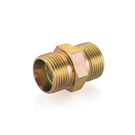
 Carbon Steel NPT Hydraulic Plug
Size: NPT1/8”x27-2”x11.5. Threaded size can be customized. Material: carbon steel. Material can be stainless steel 304,316,316L. Surface treatment: Eco-friendly galvanized
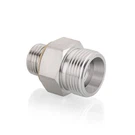
Add to Inquiry Carbon Steel BSP Hydraulic Plug
Size: BSP1/8”x28-1-1/2”x11. Threaded size can be customized. Material: carbon steel. Material can be stainless steel 304,316,316L. Surface treatment: Eco-friendly galvanized
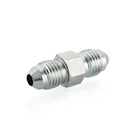
Add to Inquiry Carbon Steel JIC Hydraulic Plug
Size: UNF5/16”x24-2-1/2”x12. Threaded size can be customized. Material: carbon steel. Material can be stainless steel 304,316,316L. Surface treatment: Eco-friendly galvanized
Add to Inquiry Hydraulic Plug Fittings
Size: NPT,BSP,UN. Threaded size can be customized. Material: carbon steel. Material can be stainless steel 304,316,316L. Surface treatment: Eco-friendly galvanized
Add to Inquiry 1/ 4 in Tapered Hydraulic Plug
Size: NPT1/4. Threaded size can be customized. Material: carbon steel. Material can be stainless steel 304,316,316L. Surface treatment: Eco-friendly galvanized
Add to Inquiry 3 /4 Hydraulic Plug
Size: NPT3/4. Threaded size can be customized. Material: carbon steel. Material can be stainless steel 304,316,316L. Surface treatment: Eco-friendly galvanized
Add to Inquiry Hydraulic Plug Cap
Size: NPT,BSP,UN. Threaded size can be customized. Material: carbon steel. Material can be stainless steel 304,316,316L. Surface treatment: Eco-friendly galvanized
Add to Inquiry Hydraulic Plug With O-ring
Size: M12X1.5-48X2. Threaded size can be customized. Material: carbon steel. Material can be stainless steel 304,316,316L. Surface treatment: Eco-friendly galvanized
Add to Inquiry Sae Hydraulic Plug
Size: UNF7/16”X20-1-5/8”X12. Threaded size can be customized. Material: carbon steel. Material can be stainless steel 304,316,316L. Surface treatment: Eco-friendly galvanized
Add to Inquiry Stainless Steel Hydraulic Plug
Size: NPT,BSP,UNF,Metric. Threaded size can be customized. Material: carbon steel. Material can be stainless steel 304,316,316L. Surface treatment: Eco-friendly galvanized
Add to Inquiry ISO Hydraulic Plug
Size: NPT,BSP,UNF,Metric. Threaded size can be customized. Material: carbon steel. Material can be stainless steel 304,316,316L. Surface treatment: Eco-friendly galvanized
Add to Inquiry

Hydraulic hose caps and plugs are accessories that protect the open ends of hydraulic hoses from damage when not in use, such as during storage or transport. They connect to hydraulic hose fittings, creating a tight seal to keep out dust and dirt and prevent damage to threads.
The Benefits of Hydraulic Plugs
Better fit
Hydraulic plugs are vital to any hydraulic system and come in various styles, materials, and performance levels. Before choosing one, it's critical to comprehend the many sorts and how they operate.
Choosing the wrong hydraulic plug can mean poor seal quality, hose pressure, and a greater risk of torquing. Selecting the correct hydraulic plug can save you time and money in the long run.
Hydraulic hose hydraulic plugs can be made from different types of metal, including plastic, brass, and stainless steel. Each class has unique qualities and traits that make it appropriate for particular uses.
Reliability
Hydraulic systems require solid and reliable hydraulic plugs to connect hoses, tubes, and pipes. These components must handle high pressures, withstand corrosive fluid and resist damage from outside elements such as dirt, rain, and snow.
Material selection is essential for all hydraulic plugs because different materials have varying properties and performance capabilities. Metals such as aluminum, cast iron, and stainless steel are common due to their strength and corrosion resistance.
Similarly, based on design and construction, hydraulic plugs are commonly specified to specific pressure and temperature ratings. It allows engineers to choose hydraulic plugs that operate safely and effectively in their applications.
Lower cost
Whether you want to upgrade an existing hydraulic system or set up a new one, the lower cost of using hydraulic plugs makes them a great choice. Hydraulic plugs can be found in various styles, sizes, and materials to meet the specific needs of your application.
The material used for a hydraulic plug is essential to the overall function of a hydraulic hose and its ability to transport fluid safely and reliably. Metals like steel and cast iron are good choices because they offer high strength, durability, and corrosion resistance.
The material of a hydraulic plug should also be compatible with the operating environment. It includes temperature, pressure, and the type of fluid flowing through the hose.
Versatility
Hydraulic systems require a variety of hydraulic plugs to connect tubes, pipes, and hoses to pumps, valves, and other components. These hydraulic plugs come in all shapes and sizes, using various sealing methods and thread forms.
All-metal hydraulic hose hydraulic plugs use metal-to-metal contact to form a seal against pressurized fluid, while compressed-seal o-ring hydraulic plugs seal through an o-ring that is compressed between the mating halves of the hydraulic plug.
Hydraulic plugs are essential components for successful hydraulic systems, creating a seal to effectively stop fluids from escaping. They also facilitate maintenance of these complex structures by eliminating contamination during assembly or disassembly. In short, they act as the guardians of your hydraulics!
Hydraulic plugs come in an diverse array of sizes, shapes, and materials to fit varied hydraulic systems. From automotive applications to industrial machinery, these versatile components are essential for many industries around the world. They are used in a variety of industries and fields, including:
Automotive: When it comes to your automobile, properly functioning brake and fuel systems are essential. With hydraulic plugs in the mix, you can guarantee that no fluid will escape while simultaneously maintaining proper performance of these vital components.
Aerospace: Aircraft rely on hydraulic systems to operate critical components such as flaps and landing gear – but how do these complex structures stay sealed during maintenance? With the help of specially designed caps and plugs, any potential for fluid contamination is blocked off, ensuring a dependable performance from your aircraft's hydraulics.
Manufacturing: Manufacturing equipment relies on sophisticated hydraulic systems to keep heavy machinery and other components in motion. Cap it off with a secure seal by using specialized plugs that prevent any contamination or fluid leakage, ultimately ensuring safe and efficient operation of the system itself.
Construction: In the construction world, hydraulic systems provide a powerful and efficient way to maneuver large pieces of equipment such as excavators and bulldozers.
Agriculture: Hydraulic systems are essential components of agricultural equipment, acting as the ‘lifeblood' that keeps them running. A crucial part in this process is hydraulic plugs which act to prevent fluid contamination or leaks by sealing off relevant lines – preserving faultless operation for these tools on the front line of farming.
Hydraulic plugs are essential components of hydraulic systems used in a variety of industries and fields, including automotive, aerospace, manufacturing, construction, and agriculture. They play a crucial role in ensuring the safe and efficient operation of hydraulic systems by preventing system contamination or fluid leakage and aiding in system servicing.
The Role of Hydraulic Plugs Kit in Hydraulic Systems



The world of hydraulics is robust and ever-expanding, powering everything from construction equipment to production lines. But the key to maximizing the efficiency of these systems lies in the minutiae – particularly, the use of hydraulic plugs.
The complex machinery and vast systems that characterize the hydraulics field might make hydraulic plugs seem minor, if not insignificant. Yet these small components play a colossal role in your system's overall health and efficiency. They are the silent champions that contribute to the larger cause, often unseen but utterly crucial.
The daunting reality for any hydraulics operation is the potential for contamination. Hydraulic systems are highly sensitive to pollutants, with everything from dirt, dust, rust, and moisture posing a threat. Each time a hydraulic line is opened — whether it's for a repair, routine maintenance, or the installation of a new component — it becomes susceptible to these harmful intruders.
Hydraulic plugs also preserve the hydraulic fluid's integrity by preventing unnecessary fluid loss during disassembly or repair. They keep the system ‘closed', which means less mess and waste – another small but impactful contribution to the operational efficiency of your hydraulics.
While hydraulic plugs have earned their reputation as champions in hydraulic system safety, their value extends far beyond mere protection. Each carefully crafted piece in hydraulic hydraulic plugs kit isn't just a shield for your hydraulic operations; it's an enhancement tool, designed to ensure optimal performance and maximize efficiency.
In the realm of hydraulics, even minor leaks can gradually morph into expensive problems. They lead to fluid loss, which, in turn, reduces your system's efficiency and escalates operational costs. But that's not all. Leaks could also be signals of deeper, more severe issues. By ensuring a tight seal with our hydraulic plugs, you can deter leaks and halt potential problems in their tracks before they balloon into costly repairs or replacements.
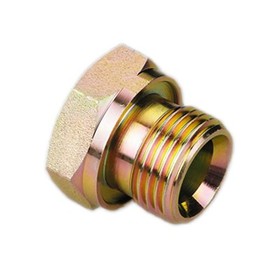
Hydraulic plugs are cylindrical metal fittings with a taper-threaded shaft at one end and a drive at the other. The tapered threads have a slight cone profile, causing the male and female threads to compress against each other to form a tight seal. In use, the male threaded shaft is screwed into the female thread of a pipe or housing. The primary role of a hydraulic plug is to block the flow of fluids, but they are also used to prevent dirt and other contaminants from entering an opening in a pipe.
'Hydraulic plug" also refers to inflatable pneumatic pipe sealers used to block the flow of fluids in large pipelines, often for leak testing and maintenance. Metal hydraulic plugs rather than inflatable or expandable hydraulic plugs.

Types of Hydraulic Plug
Offers several types of hydraulic plugs to help you choose the right fastener for your application. The style differs based on the head style of the plug; each type will require slightly different installation tools.
Hex Head
Features a flat, solid hex head for installation with a wrench
Hex Socket
Features a countersunk hex head for installation with a hex key or rachet wrench (can sit flush in the pipe).
Square Head
Features a protruding square head for installation with an adjustable wrench or hydraulic plug square socket.
Square Socket
Features a countersunk square head for installation with a square drive hydraulic plug socket (can sit flush in the pipe).
Slotted
Features a flat, slotted head for installation with a flathead screwdriver (can sit flush in the pipe).
Six Lobe
Features a countersunk star-shaped head for installation with a Torx bit socket.
Material Selection for Durability: Hydraulic Plug
Selecting the right material for hydraulic plugs is not just a matter of durability; it's a matter of system integrity, safety, and long-term cost-effectiveness. Let's explore some of the most commonly used materials and their respective advantages and limitations.
Carbon steel is often the first choice for hydraulic fittings due to its strength and affordability. It's well-suited for high-pressure applications and offers excellent durability.
Strengths and limitations:
High tensile strength suitable for high-pressure systems
Susceptible to corrosion if not properly coated or maintained
Affordability:
Generally less expensive than other materials, offering a cost-effective solution.
Stainless steel offers a balance between strength and corrosion resistance. It's often used in specialized applications where both are required.
Innovative options for specialized needs:
Excellent strength and corrosion resistance
Ideal for harsh environments like saltwater or chemical exposure
Cost-effectiveness:
More expensive upfront but can offer long-term cost savings due to its durability and low maintenance needs.
Hydraulic Plugs Selection – Tips
Understand the application and determine the product compatibility:
● The below information about hydraulic plugs will help you to choose the right fitting type. Choosing the right option plays an essential role in the appropriate working of hydraulic plugs. There are certain liquids that are not suitable with fitting material and these installations trigger leaks or system damages.
● You need to know certain details before selecting the hydraulic plugs, such as the chemical makeup and the whole range of pressure and temperature during the duration of the valve's life. Make sure the valve you choose can handle these conditions. Don't select with guesses or rough estimates. Check the exact product information.
● Note: A lot of fittings, curves, or elbows may result in pressure loss and a reduced flow rate.
Check temperature level as well as pressure ratings:
● Suitable temperature levels and also pressure ratings are needed for proper operating conditions. It is necessary to recognize whether the installations are capable of doing at their maximum temperature and also optimum stress rankings since best cannot do both the job all at once.
● Make sure the materials are compatible:
Sometimes some people choose the correct hydraulic plugs but the build material was not correct for some specific applications. There are alternative materials. To know about temperature and pressure ranges, as well as compatibility you should always check the product catalog or you can consult us to choose the right hydraulic plugs for your application.
Know when to schedule maintenance:
● Every fitting has a different maintenance schedule. Sometimes manufacturers will hide information about the maintenance cycle. It may be a problem for you later to handle the fittings maintenance schedule. So check the maintenance detail before selecting the fittings for your application.
FAQ
Q: What is a hydraulic plug?
Q: What material is hydraulic plug?
Q: What is the function of hydraulic plug?
Q: What size is a hydraulic plug?
Q: What is the difference between a valve cap and a hydraulic plug?
Q: What are the three types of hydraulic plugs?
Q: What is the hydraulic plug used in pipes?
Q: How to install the hydraulic plugs?
Q: How do hydraulic plugs work?
'Hydraulic plug" also refers to inflatable pneumatic pipe sealers used to block the flow of fluids in large pipelines, often for leak testing and maintenance. Metal hydraulic plugs rather than inflatable or expandable hydraulic plugs.
Q: What can you use to plug a pipe?
Q: How do you use hydraulic plug?
Q: What is a dry seal pipe plug?
Q: How do you tighten a hydraulic plug?
Q: How to use a hydraulic plug?
Hydraulic plugs are cylindrical metal fittings with a taper-threaded shaft at one end and a drive at the other. The tapered threads have a slight cone profile, causing the male and female threads to compress against each other to form a tight seal. In use, the male threaded shaft is screwed into the female thread of a pipe or housing. The primary role of a hydraulic plug is to block the flow of fluids, but they are also used to prevent dirt and other contaminants from entering an opening in a pipe.
'Hydraulic plug" also refers to inflatable pneumatic pipe sealers used to block the flow of fluids in large pipelines, often for leak testing and maintenance. Metal hydraulic plugs rather than inflatable or expandable hydraulic plugs.
Q: How do you remove a hydraulic plug?
Q: How do you install hydraulic plug?
Q: How do you keep hydraulic plugs from rusting?
Q: How to determine hydraulic plug size?
Q: Can you over tighten hydraulic plugs?
Q: Why do hydraulic plugs leak?
As one of the leading hydraulic plug manufacturers and suppliers in China, we warmly welcome you to buy hydraulic plug in stock here from our factory. All customized products are with high quality and competitive price. Contact us for free sample.
